
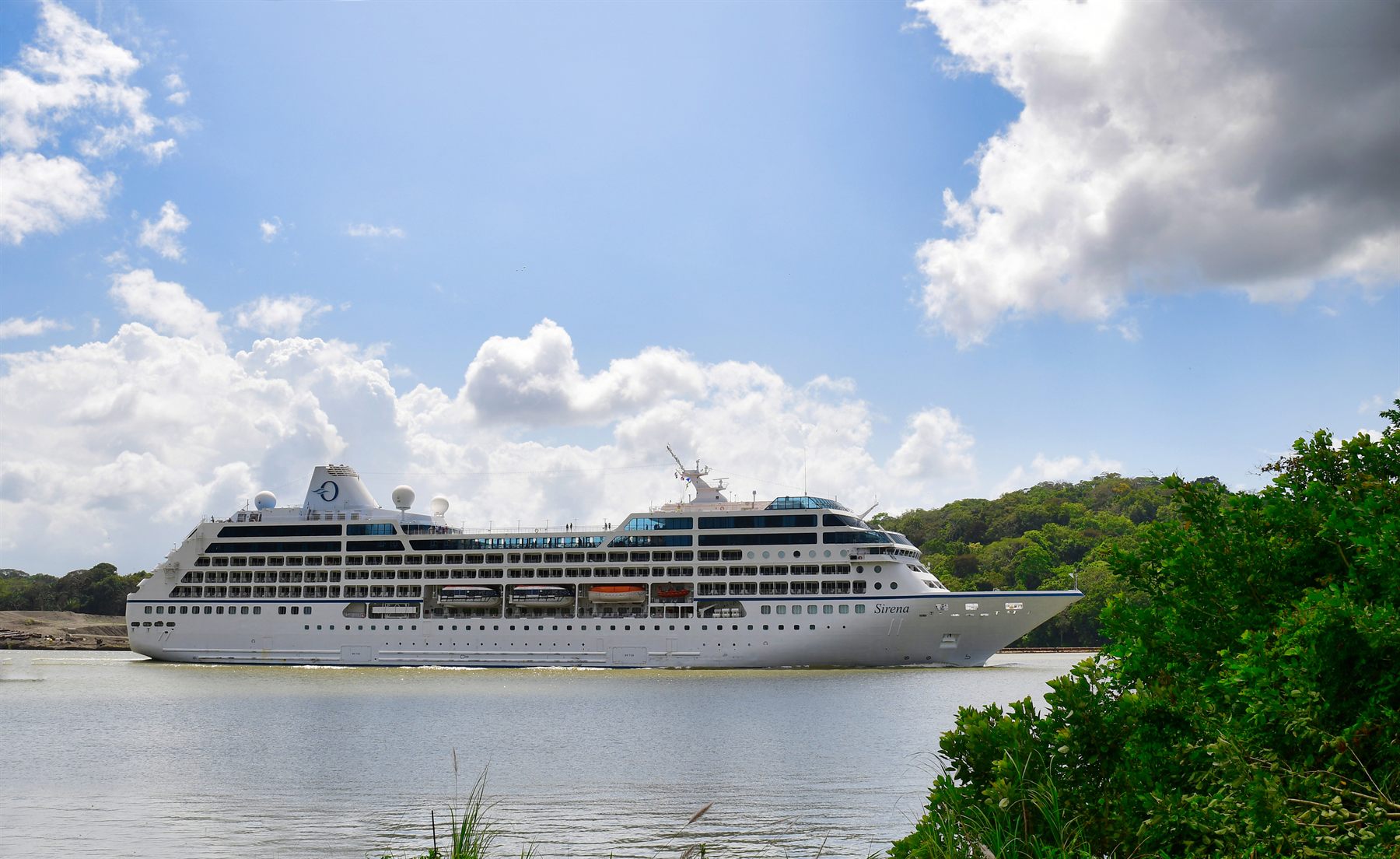
Panama Canal Cruising
One of the world’s great engineering marvels, seen from the best seat in the house — your ship, rising and falling through the locks between two oceans. We’ll match the right transit and itinerary to you.
A Panama Canal cruise turns a bucket-list wonder into a full, relaxed vacation. There are two ways to sail it: a full transit takes you all the way from the Caribbean/Atlantic to the Pacific (or the reverse) in a single, unforgettable day of locks and Gatún Lake — a one-way voyage between Florida and the US West Coast, often as a repositioning cruise in spring and fall. A partial transit is a round-trip (usually from Florida) that enters the canal, cruises Gatún Lake, and returns — pairing the canal with Caribbean and Central American ports like Cartagena, Colón, Costa Rica and the San Blas Islands. Modern ships use the newer, larger locks, so even big vessels can transit. We match the transit type, ship, cabin and season to you — and get you the best cruise price free from a true cruise specialist.
Why cruise the Panama Canal?
A bucket-list marvel
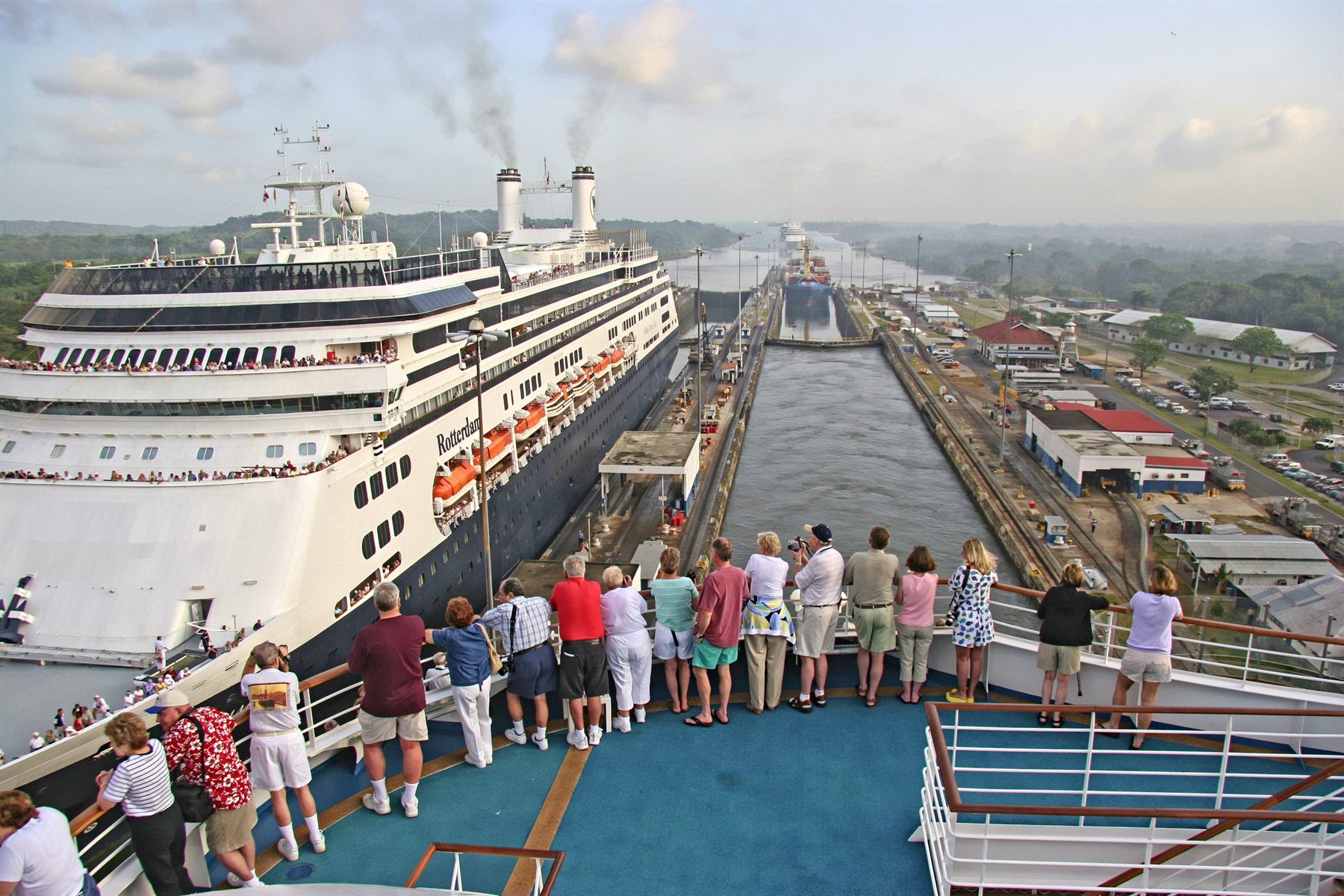
Watch your ship lift and drop through the locks between the Atlantic and Pacific — a full day of engineering wonder narrated from the deck.
Full or partial transit
Cross ocean-to-ocean one-way, or take a round-trip that enters the canal and returns — we help you choose.
Rich port variety
Cartagena, Colón, Costa Rica, the San Blas Islands and, on full transits, the Mexican Riviera — history, rainforest and beaches.
Great value & sea days
Often sailed as repositioning voyages, Panama Canal cruises offer strong value and relaxing days at sea.
Full transit or partial transit?
A full transit (about 8–15 nights) crosses the entire canal one-way between Florida and the US West Coast (Los Angeles or San Diego), usually in spring and fall — the complete ocean-to-ocean experience, with one-way flights home. A partial transit (about 10–11 nights, round-trip from Florida) enters the canal through the locks, cruises Gatún Lake, then returns to the Caribbean, so you fly home from where you started.
Full transits are the purist’s choice; partial transits are easier to book and still deliver the locks and the lake. Tell us your dates, which coast you’d start from and whether you want one-way or round-trip, and we’ll match the sailing.
Round-trip partial transits often sail from Fort Lauderdale; if you’d like to fly in the day before, RoomsCheap.com lists Fort Lauderdale hotels near Port Everglades.
Finishing a full transit on the West Coast? RoomsCheap.com lists San Pedro hotels near the LA cruise terminal for the night before your flight home.
Ready to plan your Panama Canal cruise?
Tell us whether you want a full or partial transit, your dates and preferred departure port, and we’ll match the ship and itinerary — and get your best cruise price free from a true cruise specialist, with no obligation.
Get your best Panama Canal cruise price freeFrequently Asked Questions
What’s the difference between a full and partial transit?
A full transit crosses the entire canal ocean-to-ocean (a one-way cruise between Florida and the US West Coast). A partial transit is a round-trip, usually from Florida, that enters the canal and cruises Gatún Lake before returning to the Caribbean. We help you choose based on time and travel plans.
How long does the canal transit take?
The canal transit itself is a full day — roughly 8–10 hours from the first locks to the last. Ships enter early in the morning, and the day is narrated from the decks. The full cruise runs about 8–15 nights depending on the itinerary.
When is the best time to cruise the Panama Canal?
The main season is October to April (the drier months), with full-transit repositioning voyages clustering in spring and fall. We’ll match your dates to the best availability and value.
Which ports will I visit?
Depending on the itinerary — Cartagena (Colombia), Colón, Costa Rica (Puerto Limón), the San Blas Islands and, on full transits, ports along the Mexican Riviera. We’ll spell out the exact calls for each sailing.
How do I get a quote?
Tell us your preferred transit type, dates and departure port, and request your best cruise price free from a true cruise specialist, with no obligation.
